

The Benefits of Practicing Mindfulness Daily
- subalaoffice
- Feb 7
- 3 min read
Mindfulness has become a popular practice for improving mental and physical well-being. Many people find it hard to slow down and focus on the present moment in their busy lives. Yet, dedicating just a few minutes each day to mindfulness can bring significant benefits. This post explores how practicing mindfulness daily can improve your health, reduce stress, and enhance your overall quality of life.
What Is Mindfulness?
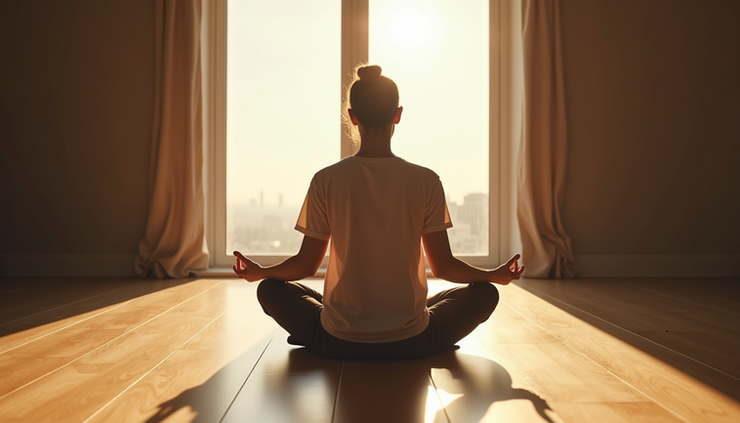
Mindfulness means paying full attention to the present moment without judgment. It involves noticing your thoughts, feelings, and sensations as they happen. Instead of getting caught up in worries about the past or future, mindfulness encourages awareness of what is happening right now.
This practice can be done through meditation, breathing exercises, or simply by focusing on daily activities like eating or walking. The goal is to develop a calm, clear mind that accepts experiences as they come.
How Mindfulness Reduces Stress
Stress affects many people daily, leading to physical and emotional problems. Mindfulness helps by breaking the cycle of negative thinking that fuels stress. When you practice mindfulness, you learn to observe stressful thoughts without reacting immediately. This creates space to respond more calmly.
Research shows that mindfulness lowers levels of cortisol, the hormone linked to stress. People who practice mindfulness regularly report feeling less anxious and more relaxed. For example, a study published in the journal Health Psychology found that participants who completed an eight-week mindfulness program had significant reductions in stress and improved emotional regulation.
Benefits for Mental Health
Daily mindfulness practice supports mental health in several ways:
Improves focus and attention: Mindfulness trains the brain to stay present, which can enhance concentration and reduce distractions.
Reduces symptoms of depression and anxiety: By observing thoughts without judgment, people can break free from negative patterns that worsen these conditions.
Enhances emotional resilience: Mindfulness helps people respond to challenges with greater calm and flexibility.
For instance, someone dealing with anxiety might notice their racing thoughts during mindfulness practice and learn to let them pass without getting overwhelmed. This skill can carry over into everyday life, making anxiety easier to manage.
Physical Health Improvements
Mindfulness also benefits the body. Studies link mindfulness practice to:
Lower blood pressure
Reduced chronic pain
Better sleep quality
Strengthened immune system
One example is a study from the University of Massachusetts Medical School, where patients with chronic pain reported less discomfort and improved mood after an eight-week mindfulness-based stress reduction program.
How to Start Practicing Mindfulness Daily
Starting a mindfulness routine does not require special equipment or a lot of time. Here are some simple steps to begin:
Set aside 5 to 10 minutes daily: Find a quiet spot where you won’t be disturbed.
Focus on your breath: Pay attention to the sensation of breathing in and out.
Notice your thoughts: When your mind wanders, gently bring your focus back to your breath without judgment.
Try guided meditations: Apps and online videos can provide helpful instructions.
Incorporate mindfulness into daily activities: Pay attention to the taste of your food, the feeling of water during a shower, or the sounds around you.
Consistency is key. Even short daily sessions can build mindfulness skills over time.
Mindfulness in Everyday Life
Beyond formal meditation, mindfulness can improve daily experiences. For example:
During meals: Eating slowly and savoring each bite can improve digestion and enjoyment.
While walking: Notice the sensation of your feet touching the ground and the rhythm of your steps.
In conversations: Listen fully without planning your response, which strengthens relationships.
These small moments of mindfulness add up, helping you feel more grounded and connected.
Overcoming Common Challenges
Many beginners find it hard to stay focused or feel restless during mindfulness practice. This is normal. The mind naturally wanders, and the goal is not to stop thoughts but to notice them and return to the present.
If sitting still feels difficult, try mindful movement like yoga or walking meditation. Be patient and kind to yourself as you develop this new habit.


Comments